


Raccoons are a common part of life in Dayton and the surrounding Miami Valley. They’re intelligent, adaptable, and highly capable of living close to people. While raccoons are often seen around trash cans or wooded areas, problems become more serious when they begin using homes for shelter.
As late winter transitions into early spring, raccoon activity increases across Ohio. This is also when wildlife control calls tend to rise. Understanding why raccoons become more active this time of year—and how they gain access to homes—can help homeowners prevent costly damage before spring arrives.
Why Raccoon Activity Increases Before Spring
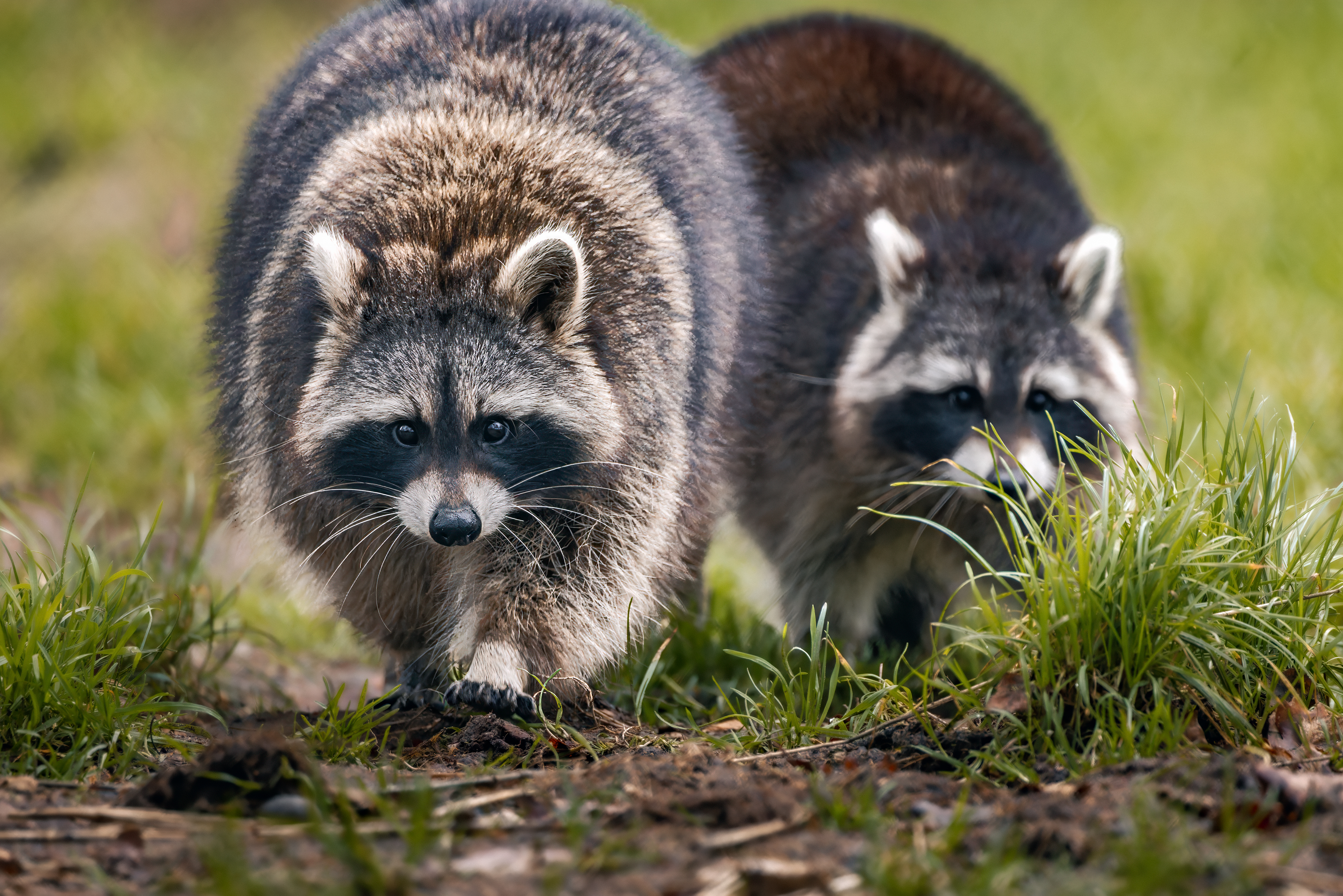
In Ohio, raccoon breeding season typically begins in late winter. Female raccoons begin searching for safe, insulated places to give birth and raise their young. Attics, chimneys, crawlspaces, and wall voids provide warmth, protection from predators, and shelter from fluctuating temperatures.
Even during colder stretches in Dayton, attics remain consistently warmer than the outdoors. That stable environment makes them ideal nesting spaces. Once a raccoon establishes a den—especially if babies are involved—it may remain there for weeks.
This seasonal nesting behavior is one of the main reasons wildlife control and exclusion services become especially important heading into spring.
How Raccoons Get Into Homes
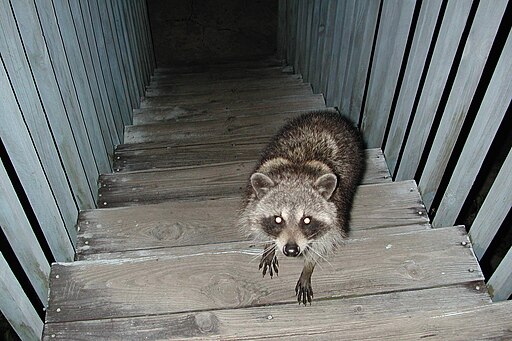
Raccoons are strong and persistent. They can tear through weakened soffits, bend roof vents, pry open loose fascia boards, and enlarge small structural gaps. Homes with minor roofing damage or aging materials are particularly vulnerable.
In Dayton, freeze–thaw cycles throughout winter can gradually weaken roofing components and siding. What starts as a small crack or loose vent can become a viable entry point. Unlike smaller rodents, raccoons often create their own access if materials are compromised. Once inside, they typically establish nesting areas in attic insulation or other undisturbed spaces.
Professional wildlife exclusion focuses not only on removal, but also on identifying how the raccoon entered and reinforcing those vulnerable areas to prevent re-entry.

Signs of Raccoons in an Attic or Crawlspace
Raccoons are significantly heavier than most nuisance wildlife. Homeowners may hear:
-
Heavy thumping or walking sounds at night
-
Scratching or shifting noises in ceilings
-
Vocalizations, particularly during nesting season
Exterior signs may include damaged vents, torn shingles, displaced insulation, or repeatedly disturbed trash containers.
Because raccoons are nocturnal, activity is usually most noticeable after dark. Early identification makes wildlife removal safer and less disruptive.
Risks of Raccoons Inside the Home
While raccoons are a natural part of Ohio’s ecosystem, they can cause serious structural and sanitation concerns when inside a home. They frequently tear insulation for nesting material, damage ductwork, disturb wiring, and compromise ventilation systems.
In addition to physical damage, raccoons leave behind waste in attics and crawlspaces. Raccoon droppings and urine can contaminate insulation, create persistent odors, and pose potential health concerns if not properly addressed. Simply removing the animal does not resolve these underlying sanitation issues.
Professional raccoon removal should include more than just extraction. Proper raccoon attic cleanup and waste removal are essential steps in restoring the safety and integrity of the space. Without cleanup and insulation replacement where needed, contamination and odor issues can remain.
Addressing both the wildlife and the aftermath helps prevent long-term structural and environmental problems.
Why Raccoons Issues Are Common & How to Prevent Them
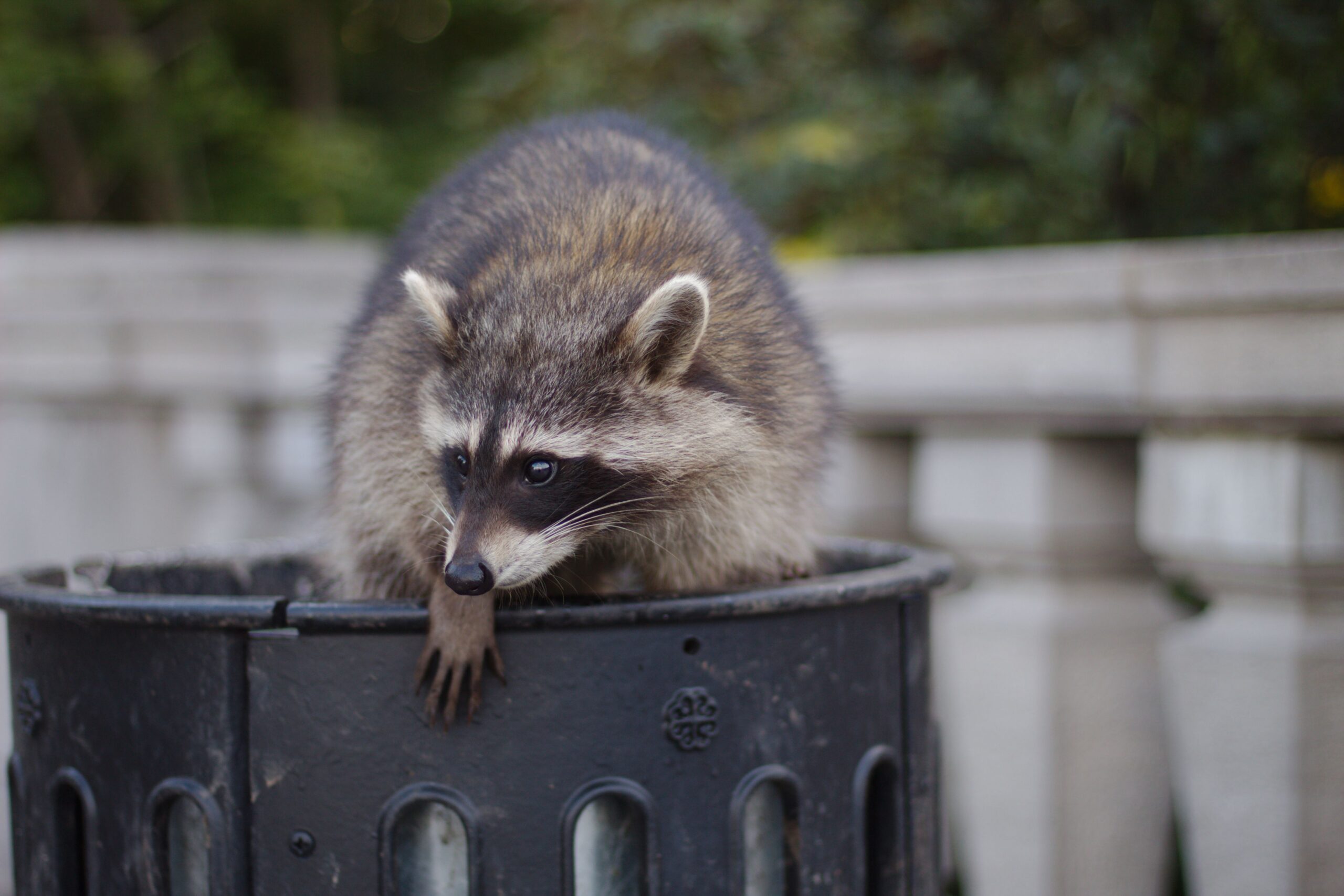
Dayton’s mix of residential neighborhoods, wooded areas, waterways, and older housing stock creates an ideal environment for raccoons. Easy access to food sources—such as unsecured trash, pet food, and bird feeders—supports healthy raccoon populations throughout the region.
As housing development continues to overlap with natural habitat, wildlife encounters become more common. Preventive wildlife exclusion has become increasingly important for homeowners looking to protect their properties long-term.
Homeowners can reduce risk by securing trash containers, removing overnight food sources, trimming tree branches away from rooflines, and inspecting roofing components for damage.
However, prevention doesn’t stop at basic deterrents. Wildlife exclusion services play a critical role in sealing vulnerable entry points, reinforcing vents, and addressing structural weaknesses before animals move in.
Proactive inspection and exclusion work is often far less costly than repairing damage after a nesting event.
How EcoPro Provides Wildlife Control & Exclusion in Dayton
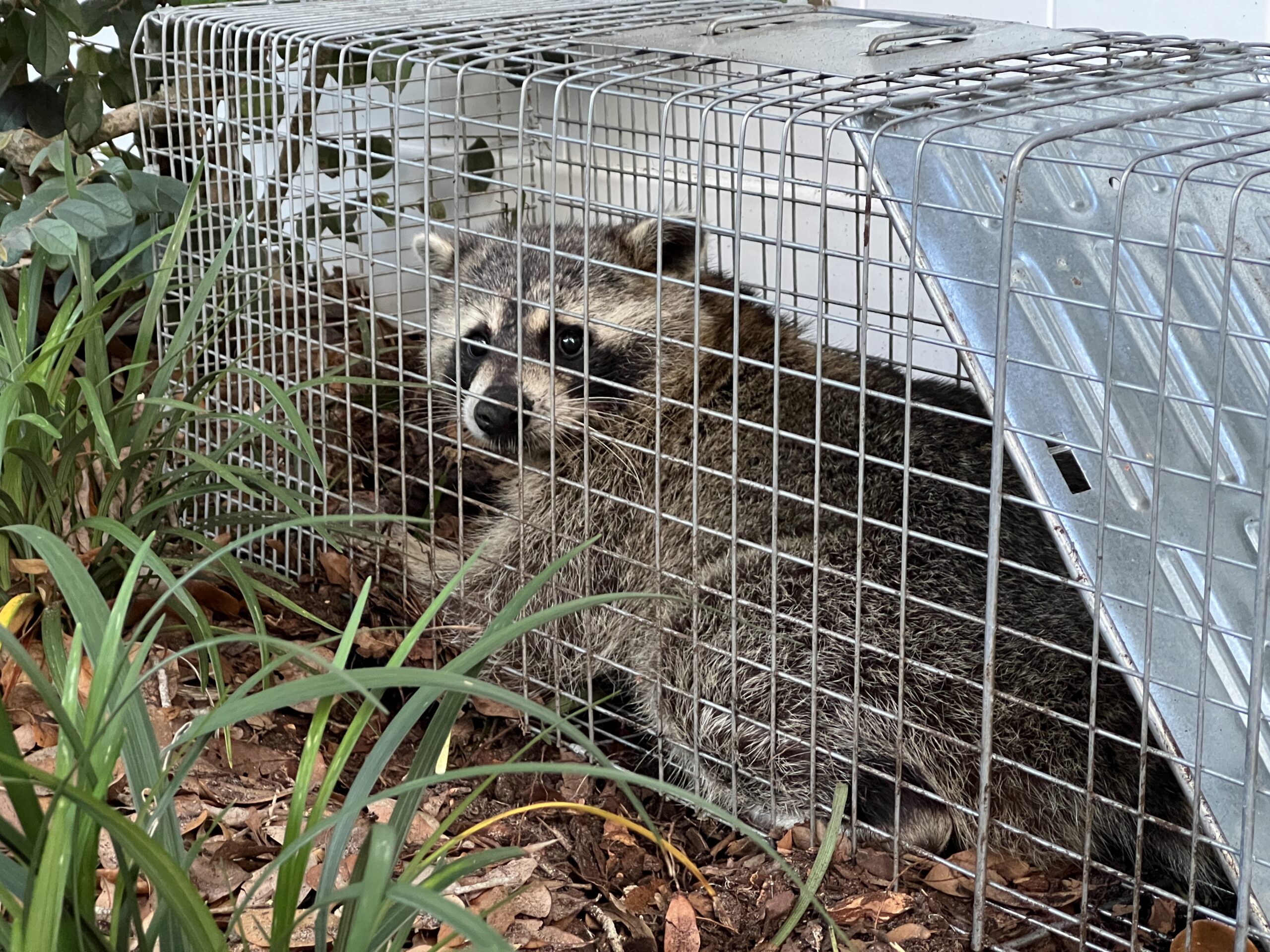
EcoPro Termite & Pest provides comprehensive raccoon removal and wildlife exclusion services in Dayton, Ohio. Our process begins with identifying active raccoon presence and locating entry points. We then implement safe removal strategies and reinforce vulnerable areas to prevent re-entry.
Exclusion services may include repairing soffits, reinforcing roof vents, sealing structural gaps, and strengthening areas commonly used for access.
When raccoons have nested inside an attic or crawlspace, we also provide raccoon waste cleanup and attic restoration services. This can include removing contaminated insulation, addressing droppings and urine buildup, and restoring affected areas so the space is clean, properly sealed, and structurally sound.
By combining removal, cleanup, and long-term exclusion, EcoPro helps Dayton homeowners protect their homes from repeat wildlife intrusion.
If you’re hearing heavy movement in your attic, noticing roof damage, or seeing repeated raccoon activity around your property, it’s best to act before spring nesting season is fully underway.
Contact EcoPro Termite & Pest to schedule a professional wildlife inspection and protect your Dayton home before raccoon activity increases.
Frequently Asked Questions
- Are raccoons protected in Ohio?
Yes, raccoons are considered regulated wildlife in Ohio, which means removal and handling must follow state guidelines. Professional wildlife control ensures compliance with local regulations. - Can raccoons return to the same house year after year?
Yes. If entry points are not properly sealed and reinforced, raccoons may return to previously used nesting sites. This is why exclusion services are just as important as removal. - Is raccoon removal safe during baby season?
It can be, but it requires careful handling. During late winter and early spring, young raccoons may be present. Professional wildlife technicians use strategies that account for both the mother and offspring to avoid further structural damage. - Will homeowners insurance cover raccoon damage?
Coverage varies by policy. Some homeowners insurance plans cover wildlife-related structural damage, but preventative work and exclusion are typically not covered. It’s best to check directly with your provider. - Can raccoons damage HVAC systems or wiring?
Yes. Raccoons may tear insulation, disturb ductwork, and damage wiring while nesting. Left unaddressed, this can lead to costly repairs and safety concerns.
- How long does raccoon removal typically take?
Timelines vary depending on access points, nesting status, and structural conditions. Removal is often only the first step—exclusion and reinforcement work are critical for long-term resolution.