
As temperatures begin to rise in Dayton, Ohio, mosquito season isn’t far behind. Many homeowners start preparing their yards early, and one of the most common questions we hear is whether mosquito repellent plants actually help.
The short answer is yes — but only to a degree.
Mosquito repellent plants can play a role in reducing mosquito activity, but they are only one part of a larger prevention strategy. Understanding how they work, and what they can realistically accomplish, helps homeowners prepare more effectively before peak mosquito season arrives.
QUICK SUMMARY
- Your Yard Is an Ecosystem, Even If It Doesn't Look Like One
- Where Do Pests Go When Their Shelter Disappears?
- Leaves Aren't Necessarily the Enemy
- Don't Forget About Firewood, Brush, and Garden Materials
- Fall Cleanup Can Reveal Problems You Didn't Know You Had
- Clean Up Strategically, Not Aggressively
- What Your Fall Cleanup Can Tell You About Your Home
- Frequently Asked Questions
Do Mosquito Repellent Plants Actually Work
Certain plants contain natural compounds that mosquitoes find unpleasant. These compounds are often extracted into essential oils and used in sprays and candles.
However, the concentration of these oils inside a living plant is much lower than what you would find in a formulated repellent. Simply planting them in your yard will not eliminate mosquitoes, but they can help reduce mosquito presence in small, concentrated areas like patios or near seating spaces.
Plants are most effective when their leaves are crushed or brushed against, releasing more of the natural oils that deter insects.
Common Mosquito Repellent Plants
Several plants are widely known for their mosquito-repelling properties. When strategically placed around outdoor living areas, they may help make the space less attractive to mosquitoes.
Citronella grass contains natural oils that are commonly used in repellents.
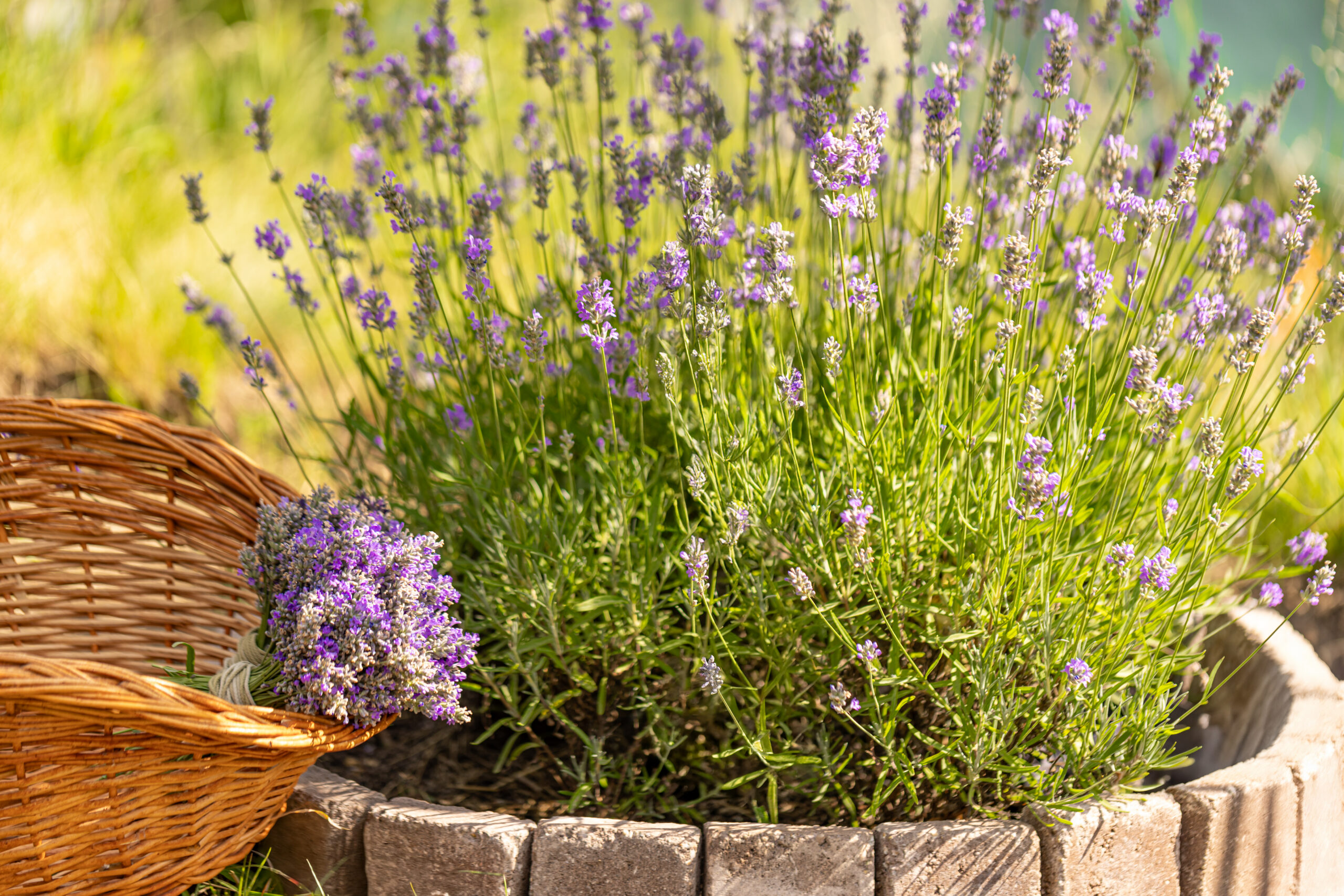
Lavender produces a scent that mosquitoes tend to avoid.
Lemon balm contains high levels of citronellal, a natural deterrent compound.
Catnip has been shown in studies to contain compounds that repel mosquitoes.

Why Plants Alone Aren’t Enough in Ohio
In Dayton and throughout the Miami Valley, mosquitoes thrive because of moisture. Standing water is the primary driver of mosquito populations. Female mosquitoes lay eggs in stagnant water, and those eggs can develop into biting adults in as little as one to two weeks during warm weather.
Common breeding areas include clogged gutters, birdbaths, low spots in yards, poorly draining soil, and even forgotten containers that collect rainwater.
No matter how many mosquito repellent plants are added to a yard, they will not stop mosquitoes from breeding nearby. Addressing standing water and applying targeted treatments is what truly reduces populations.
What Actually Reduces Mosquito Activity
Effective mosquito prevention is layered. It includes:
- Eliminating or managing standing water
- Improving drainage around the property
- Maintaining landscaping to reduce resting areas
- Applying professional mosquito treatments before peak season
Scheduling mosquito services early in the season is especially important. Once mosquito populations are fully established, control becomes more difficult and requires more aggressive intervention.

Preparing your yard before mosquito season goes a long way to managing mosquito infestations and early spring is the ideal time to get started. Checking gutters, addressing drainage issues, and trimming overgrown vegetation can significantly reduce mosquito habitat.
Scheduling mosquito services early in the season is especially important, before the activity peaks. Preventive treatments focus on targeting breeding areas and resting sites to reduce the number of biting mosquitoes before they become a larger issue. Once mosquito populations are fully established, control becomes more difficult and requires more aggressive intervention.
How EcoPro Helps with Mosquito Control in Dayton
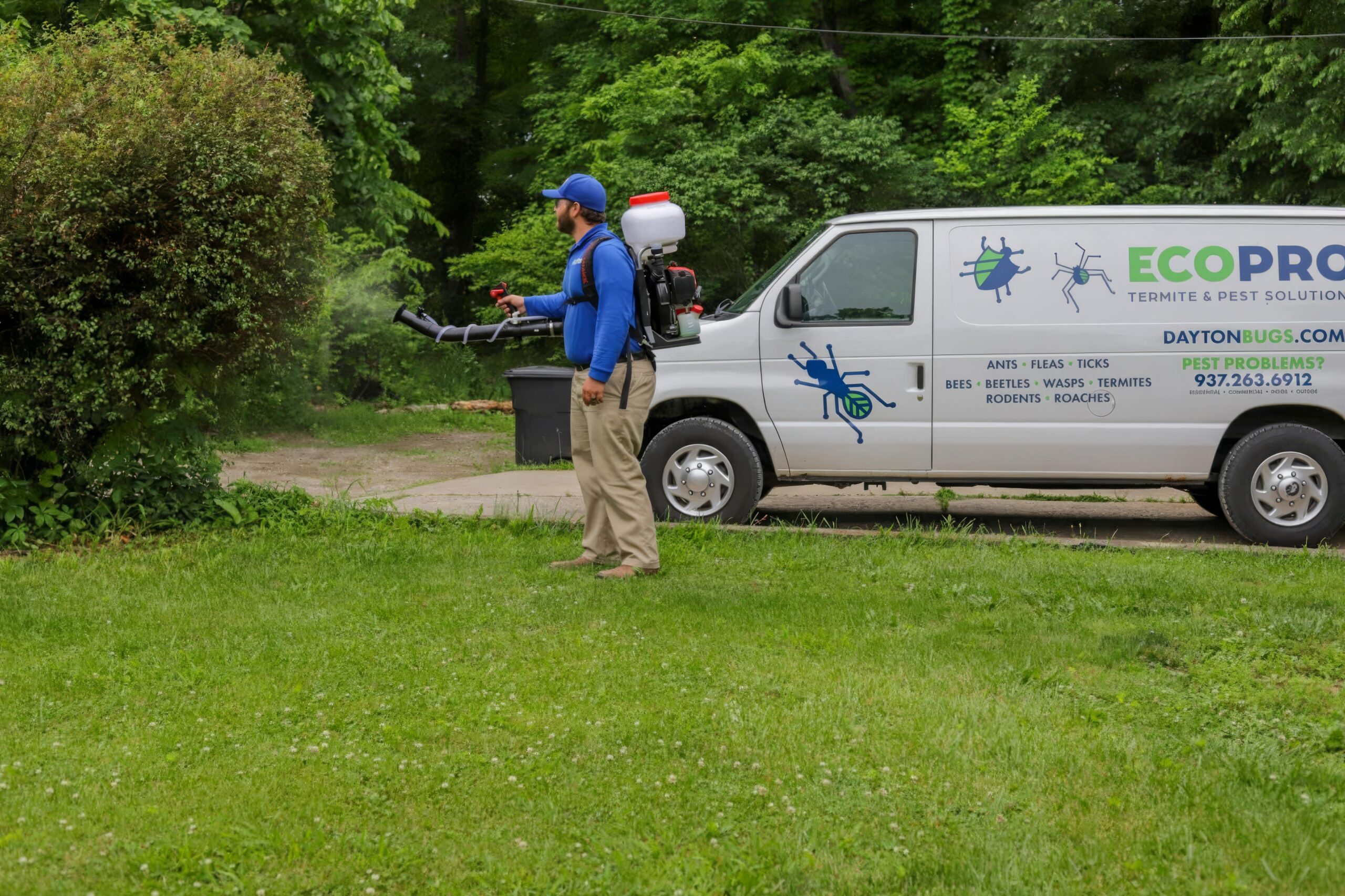
EcoPro Termite & Pest provides mosquito control services designed for Dayton-area homes. Our approach combines inspection, habitat reduction guidance, and targeted applications to help manage mosquito populations responsibly and effectively. While mosquito repellent plants can complement your efforts, professional mosquito services provide the most consistent results throughout the season.
The best time to schedule mosquito treatment is before mosquito activity becomes severe. As temperatures rise steadily in Dayton, early preparation can make a noticeable difference in comfort throughout late spring and summer.
Contact EcoPro Termite & Pest to learn more about preparing your yard for mosquito season and protecting your outdoor spaces.

Frequently Asked Questions
- Can mosquito repellent plants keep mosquitoes away all summer?
No. While they may help in small areas, they do not eliminate breeding sites or reduce mosquito populations across an entire yard. - Are mosquito repellent plants safe for pets?
Most commonly used plants like lavender and basil are safe in normal garden settings, but some plants may cause irritation if ingested. Pet owners should research individual species before planting. - Do mosquito plants work better in pots or in the ground?
lacement matters more than planting method. Positioning plants near seating areas where leaves can be brushed or disturbed may increase effectiveness. - How early should mosquito treatment begin in Dayton?
Mosquito services typically begin in early to mid-spring, depending on weather patterns. Starting before peak activity leads to better seasonal control. - Can mosquito eggs survive Ohio winters?
Yes. Some mosquito species lay eggs that survive freezing temperatures and hatch once weather warms in spring.