
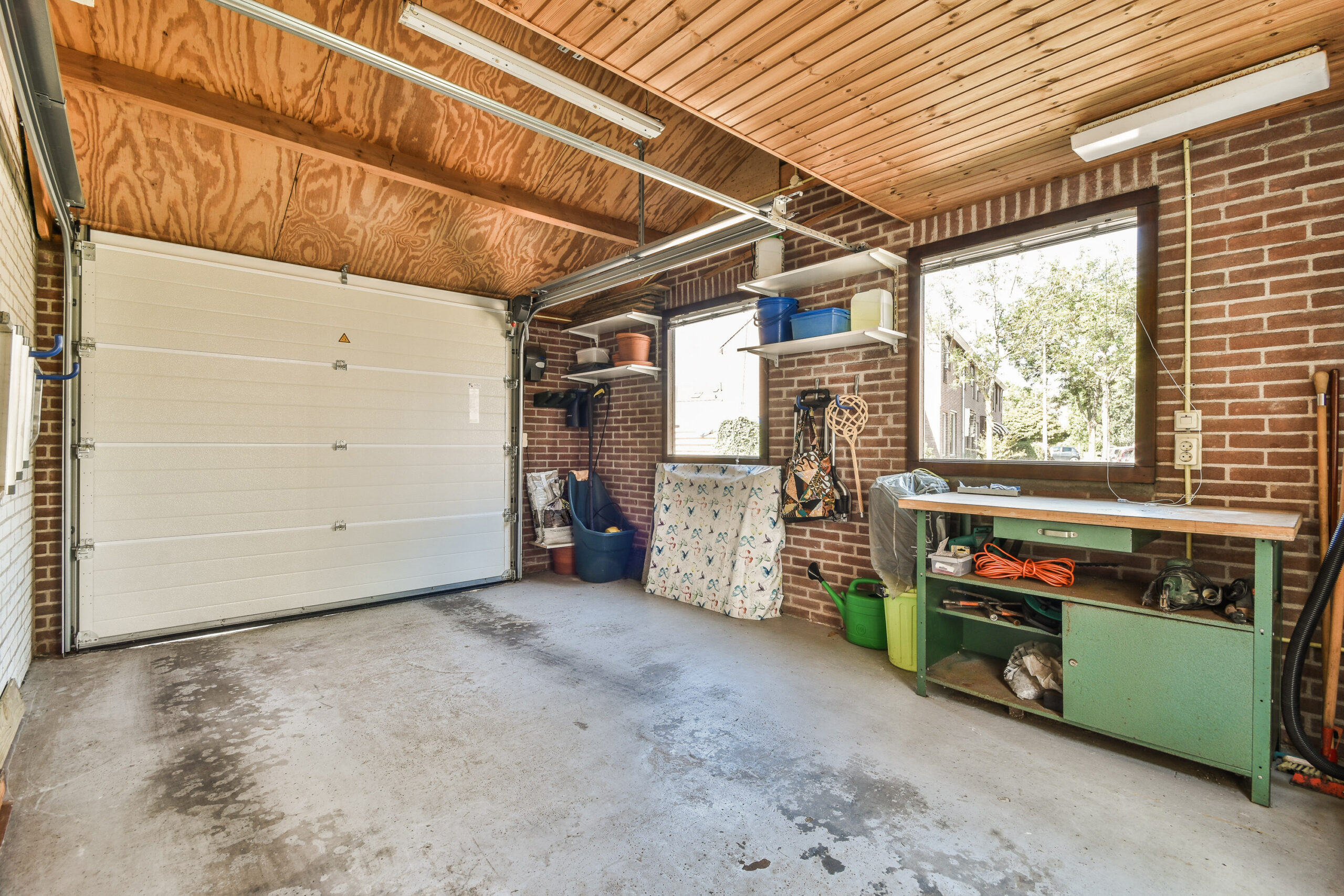
Garages are often treated as a buffer between the outdoors and the home but for pests and rodents, they’re one of the easiest ways inside. In many Dayton, Ohio homes, the garage is frequently overlooked when it comes to home pest prevention, even though it shares walls, doors, and structural pathways with living spaces.
As temperatures drop across the Miami Valley, pests don’t disappear. Instead, they begin looking for shelter, warmth, and quiet places to nest and garages often provide all three.
Why Garages Attract Pests and Rodents
Garages tend to be less insulated and less tightly sealed than the rest of the home. Even an unheated garage in Dayton can feel significantly warmer than outdoor temperatures in winter, especially when vehicles are parked inside or garage doors are opened regularly throughout the day.
Garages are also typically darker, quieter, and used less frequently than interior rooms. For rodents and insects trying to avoid human activity, these conditions make garages an ideal place to settle in before moving further into the home.
Common Pests and Rodents Found in Garages
Rodents such as mice and rats are especially common in garages during colder months in Dayton and surrounding areas, when outdoor food sources become scarce. Spiders, centipedes, stink bugs, and other overwintering insects also use garages as a temporary shelter or staging area.
While some pests remain in the garage, many don’t stop there. Once inside, they often move through shared walls, framing gaps, or utility lines into basements, kitchens, and living spaces where warmth and food are easier to find.
Seeing rats or mice in your in your home? Check out our rodent control services.

How Pests Get Into Garages
Most pests don’t need large openings to enter a garage. Small gaps around garage doors, worn or missing weather stripping, cracks in concrete, and openings around utility lines are often enough.
Garage doors are one of the most common access points. Even a narrow gap along the bottom or sides of the door can allow rodents to squeeze through. In Dayton homes, freeze–thaw cycles throughout the winter can also cause concrete slabs and foundations to shift over time, creating new cracks that go unnoticed until pests start showing up.
Once pests enter the garage, they often find additional pathways into the home through interior doors, wall voids, or shared structural framing.
Why Garage Pest Problems Often Go Unnoticed
Garage pest activity can go unnoticed for weeks or even months. Many homeowners in Dayton don’t spend extended time in their garage during winter, which makes early warning signs easy to miss. Droppings, nesting material, gnaw marks, or faint scratching sounds often go undetected until pests begin appearing inside the house. By the time activity is noticed indoors, the garage has often already served as the initial entry point.
How to Reduce Pest Activity in Your Garage
Reducing the chance of pest activity in the garage starts with limiting access and removing conditions that attract them. Sealing gaps around garage doors, replacing damaged weather stripping, and repairing visible cracks can significantly reduce entry opportunities.
Storage habits also play a role. Garages commonly hold cardboard boxes (a nesting ground for cockroaches!), seasonal decorations, pet food, and clutter that provide both nesting material and food sources. In many Dayton homes, switching to sealed plastic containers and keeping items elevated can make a noticeable difference.
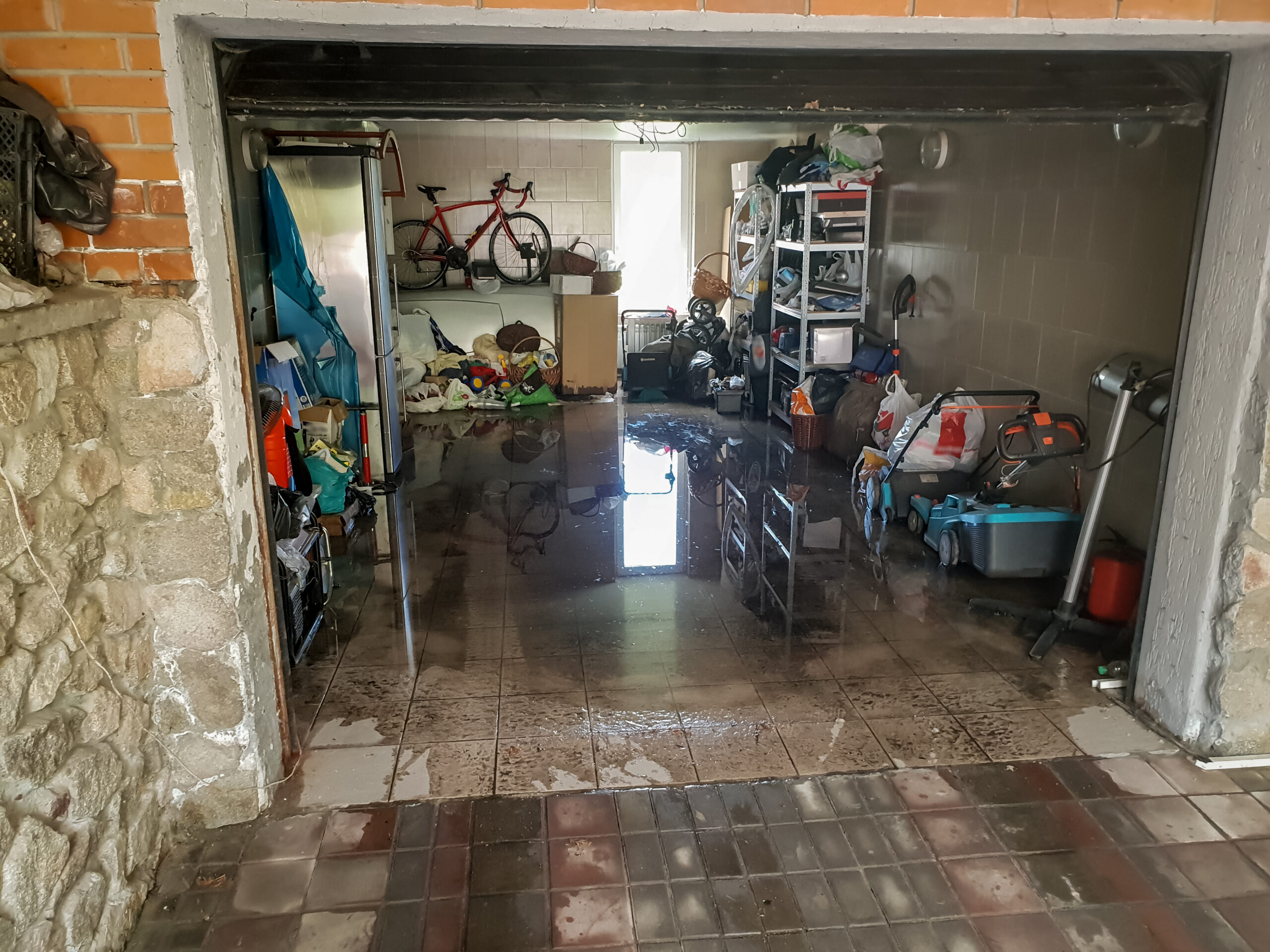
Moisture is another factor to watch. Leaks, condensation, or standing water in garages can attract both rodents and insects, particularly during colder months.
In the Dayton area, garages are especially vulnerable due to seasonal temperature swings, older construction, and frequent freeze–thaw cycles that contribute to cracks in concrete and foundations. Many homes also rely heavily on garages for storage, increasing clutter and undisturbed areas where pests can settle in.
Combined with winter weather that pushes pests indoors, these conditions make garages one of the most common entry points for pest and rodent activity in Dayton homes. Addressing garage vulnerabilities early can help prevent larger pest issues throughout the rest of the house while also keeping the items in your garage safe and clean (particularly from disease).
How EcoPro Helps Protect Your Home
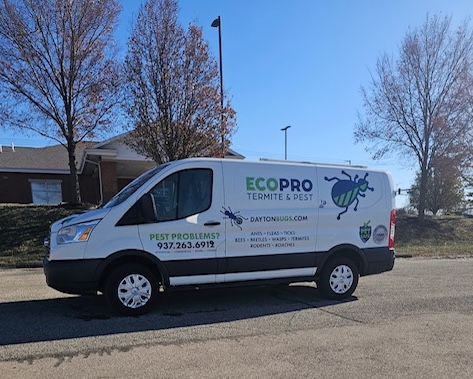
EcoPro Termite & Pest takes a preventive approach to pest control in Dayton, focusing on how pests are entering the home and why they’re being attracted in the first place. Garage inspections are an important part of this process for Dayton-area homes, especially during winter when pests are more likely to seek shelter indoors—a part of the process we don’t skip. By combining exclusion strategies with targeted treatments, EcoPro helps stop pest and rodent problems at the source, before they spread beyond the garage.
If you’re noticing droppings, scratching sounds, or increased pest activity in or around your garage, it’s best to act early. Garage infestations often lead to indoor problems if left untreated. Conact EcoPro Termite & Pest to schedule a professional inspection and help protect your Dayton home year-round.
Interested in year round pest prevention? Sign up now for 1-year of service and receive 2 months free with our home pest control plan.
Frequently Asked Questions
- How do pests move from the garage into the house?
Garages often share walls, framing, and access points with living spaces. Once pests enter the garage, they can easily move indoors through wall voids or interior doors. - Should garages be included in routine pest inspections?
Absolutely. Garages are one of the most common starting points for infestations and should always be checked during inspections. - Do insulated garage doors prevent pests from getting in?
Insulation can help regulate temperatures, but it does not automatically seal entry points. Even insulated doors can have gaps along the bottom or sides that allow rodents and insects to enter. Proper sealing and intact weather stripping are more important than insulation alone. - Are attached garages more vulnerable than detached garages?
They are not necessarily more vulnerable but do pose a greater risk to the home because they share structural connections. Pests that enter an attached garage often ahve easier access to interior walls and living spaces.